
Regular maintenance of diagnostic imaging equipment such as ultrasound and X-ray systems is crucial for ensuring accurate results, patient safety, and the longevity of your machines. Neglecting routine care can lead to costly breakdowns, calibration issues, and even inaccurate diagnoses. Whether you manage a hospital, clinic, or diagnostic center, understanding how to properly maintain your imaging systems will help you save both time and resources.
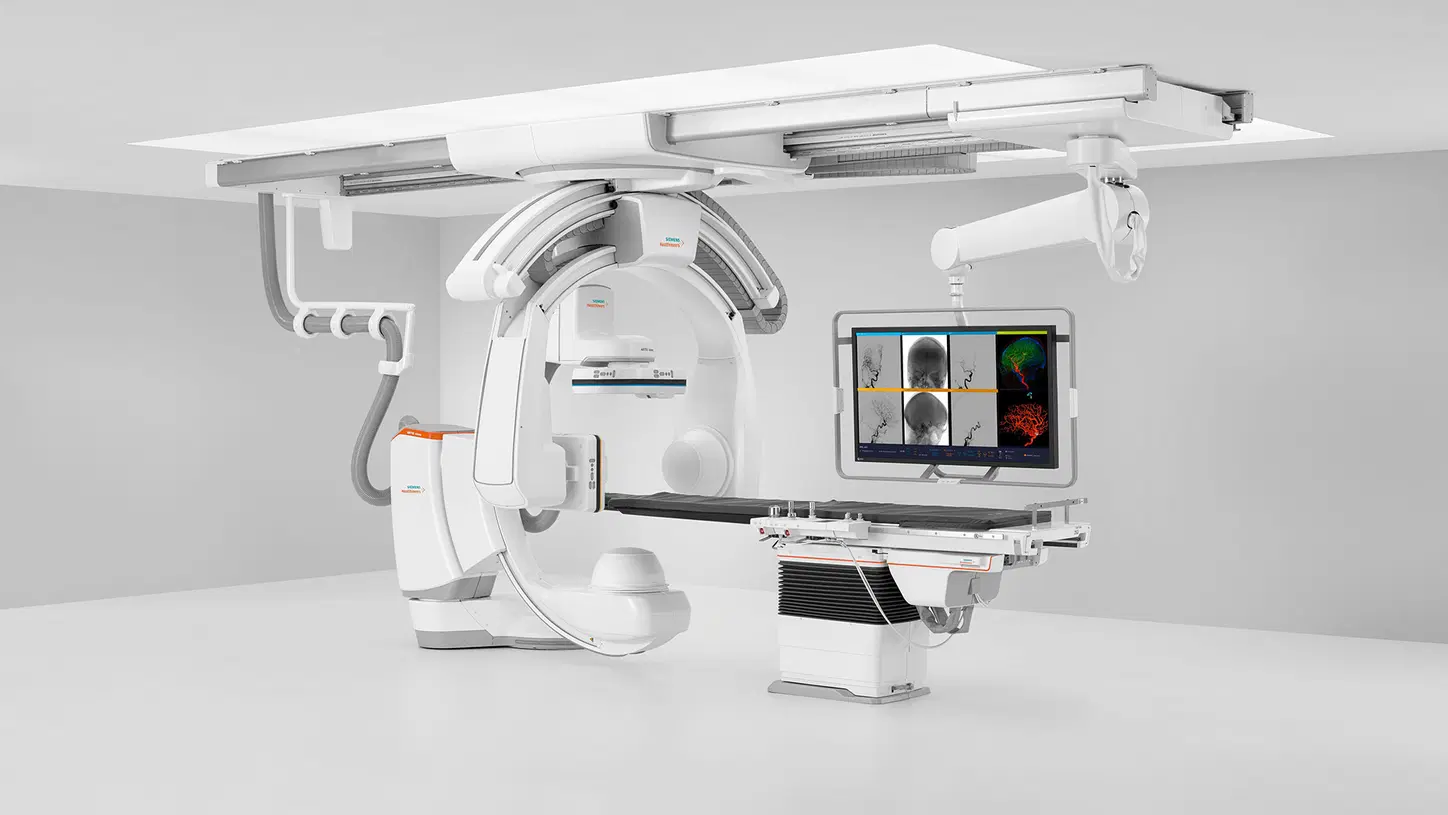
1. Perform Regular Preventive Maintenance: Schedule periodic inspections and calibration by certified technicians to catch issues early and ensure accurate imaging. Preventive maintenance helps extend the lifespan of your equipment and reduces the risk of unexpected breakdowns. Always keep a maintenance log to track service dates and identify recurring performance issues before they become major problems.
2. Keep Equipment Clean and Dust-Free: Clean all external surfaces, vents, and filters using approved disinfectants and lint-free materials. A clean environment reduces the chances of overheating, image distortion, and electronic component failure. Avoid using harsh chemicals or water near sensitive parts to maintain the system’s durability and hygiene standards.
3. Protect Cables, Probes, and Detectors: Handle cables and connectors with care to prevent bending or internal wire damage. Store probes properly when not in use and always disinfect them according to manufacturer guidelines. Even small cracks or loose connections can lead to performance errors—replace damaged parts immediately.
4. Ensure Stable Power and Software Updates: Use a UPS or voltage regulator to safeguard against sudden power fluctuations and surges. Regular firmware and software updates improve system stability, enhance imaging quality, and fix known bugs. Work with authorized service partners to ensure updates are installed correctly and your system remains fully optimized.
5. Train Staff for Proper Handling: Educate operators on correct start-up, shutdown, and cleaning procedures to prevent avoidable wear. A well-trained team can identify performance changes early and take preventive action before failures occur. Investing in regular training sessions enhances safety, efficiency, and long-term cost savings.
Conclusion: A well-maintained ultrasound or X-ray system not only enhances diagnostic accuracy but also improves patient trust and operational efficiency. Investing time in preventive maintenance is far more cost-effective than emergency repairs. By following these practical steps, you can extend the lifespan of your imaging equipment and ensure consistent, high-quality healthcare delivery.